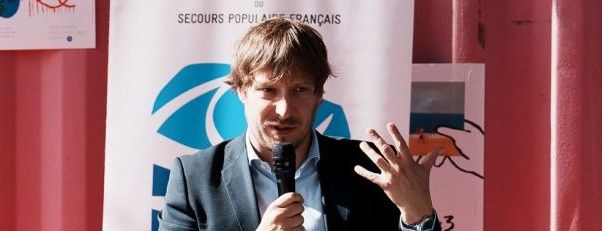
2026 Ipsos/SPF Barometer: Poverty – France falling behind in Europe
Insufficient income, worsening multiple forms of deprivation, and French people suffering far more than their European neighbors: twenty years after its first barometer, Secours populaire continues to sound the alarm.

Respondents this year paint a picture just as bleak as that of 2022–2024, a period already marked by an energy crisis. From the Middle East to East Africa, and from Lviv to the Strait of Hormuz, the use of brute force continues to generate horror while also driving up energy and maritime transport costs—pressures that weigh heavily on the daily lives of Europeans.
Indicators of precariousness reveal the growing vulnerability of individuals and families. Nearly one in three Europeans feels that an « unexpected expense could tip them over the edge » (29%, up 1 point). In France, a quarter of the population (26%) reports being in a state of economic vulnerability—a figure that has risen by no less than 6 points in a single year.
French People and Europeans Consider Their Incomes Too Low
Rising energy prices and strained social budgets are translating into a chronic increase in the cost of living. Consequently, both the French and Europeans view their incomes as insufficient. In France, as many as 40% of working people feel their jobs do not allow them to cover all their expenses. That is a 10-point increase. Ten points in one year. It amounts to a shock.
« This is arguably the most striking figure. It illustrates what volunteers observe every day: the people we assist manage their budgets and do their best, yet barely earn enough to live with dignity, » notes Houria Tareb, National Secretary of Secours populaire in charge of solidarity initiatives in France.
Caught in a vice between low incomes and unavoidable expenses, 18% of French people live in the red (up 3 points since 2025). « We constantly see people who, after the 20th of the month, cannot afford the fuel to drive to work and have to say ‘no’ to their children—every single time—when shopping, » adds Houria Tareb. For the moment, the situation for other Europeans has not deteriorated to the same extent, yet a third of them lack sufficient income to cover all their expenses.
This budgetary pressure is resulting in a decline in living conditions for millions of French people and Europeans. It manifests notably as increasing difficulty in accessing sufficient, high-quality food. Indeed, 37% of French people are unable to obtain the healthy food needed to eat three meals a day (up 4% in one year). Among households earning no more than the minimum wage (SMIC), this figure reaches 58%, putting their well-being and health at risk.
Even the quantity of food is an issue—a problem that was marginal twenty years ago: 29% of French people have skipped a meal despite being hungry, with 11% having done so in the six months prior to the survey. This is a shocking situation to which other Europeans are, on average, slightly less exposed (26% and 10% respectively).
« As these results show, needs remain high in several countries and are even rising in France. They highlight the importance of maintaining European food aid schemes for the needy, » notes Sébastien Thollot, National Secretary of Secours populaire in charge of European affairs.
Read the results of baromètre Ipsos / Secours populaire 2026
Beyond food costs, difficulties intensify following the 2025 respite: nearly one in two French people cannot afford fuel or public transport passes (46%, a surge of 12 points in a year). Housing costs, in particular, consume a large share of available funds: 33% of French people struggle to pay their rent, mortgage, or even housing-related charges (up 5 points). For households earning less than €1,400, the situation is even more critical, with figures 17 to 20 points higher regarding transport and housing, respectively.
Beyond the deprivations that make it impossible to maintain one’s current standard of living—such as health, housing, capacity to work, and social status—another aspect of precariousness comes to light: by forcing people to forgo leisure activities, vacations, and family outings, a lack of financial means also limits opportunities for personal fulfillment, for fully embracing life, and for shaping a future in step with the rest of society.
More than one in two French people struggles to go on vacation at least once a year (55%, up 6 points in a year). The figures are even worse regarding outings to the cinema or restaurants: 66% of respondents say they have had to forgo them (up 6 points in a year). Nearly three-quarters of French people have had to give up family outings (73%, compared to 64% a year ago). Almost two-thirds have been forced to cut back on travel by car or public transport (64%, up 11 points).


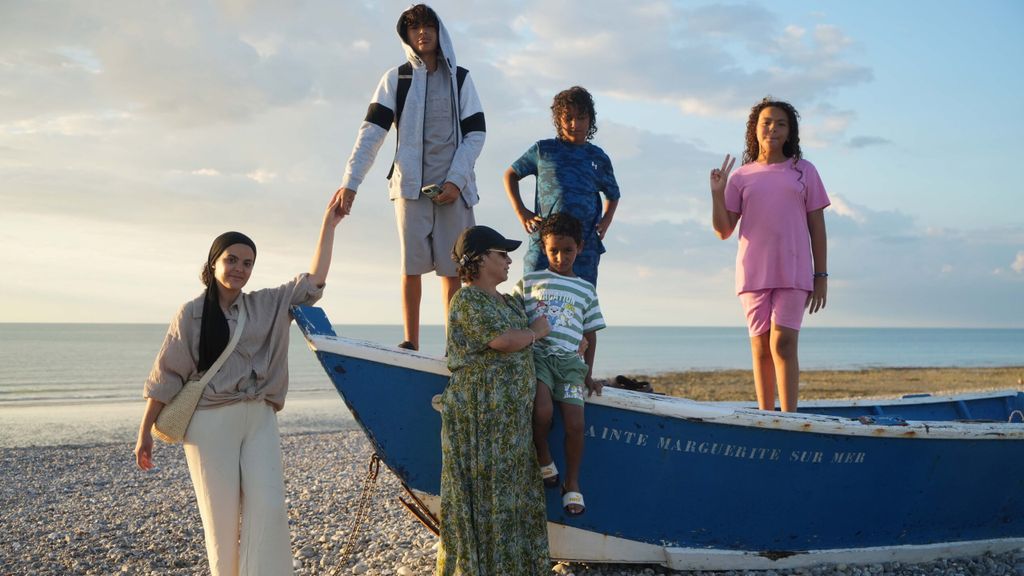
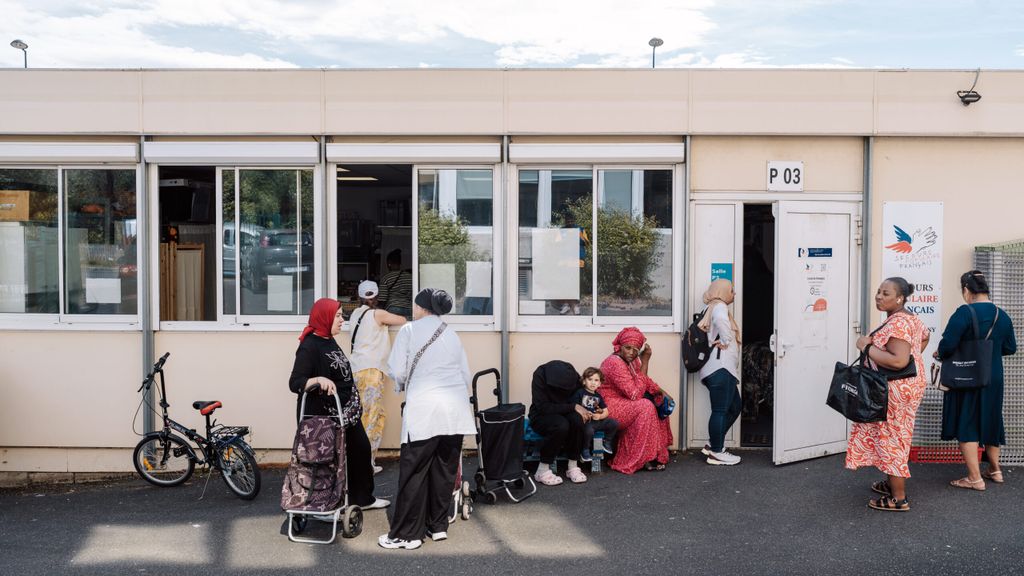
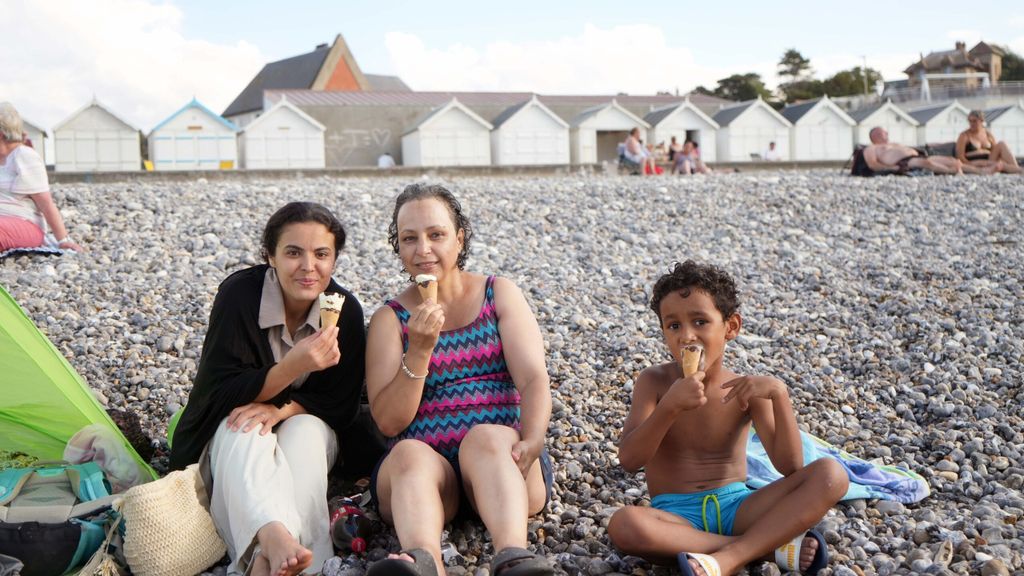
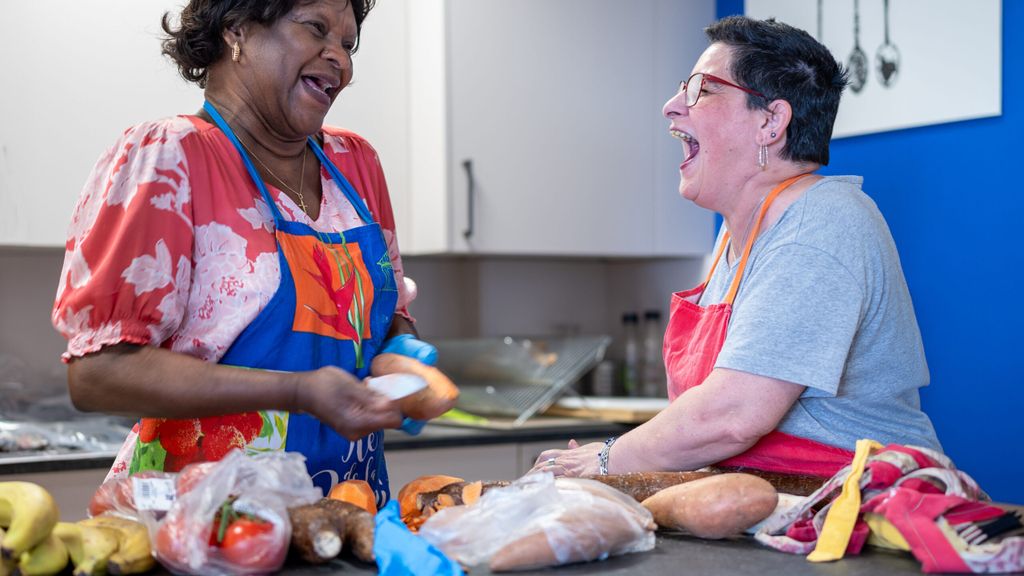
These are the many situations Secours Populaire seeks to address throughout France—and beyond, alongside its European partners. Volunteers offer comprehensive support, tackling material issues such as access to a balanced diet, as well as providing clothing, mobility assistance, and more.
This approach also extends to everything needed for a fulfilling life—particularly through vacations, especially this year as we mark the 90th anniversary of the introduction of paid leave—as well as through social gatherings centered around coffee, book clubs, cooking workshops, and access to sports, leisure activities, and culture.
The severity of deprivation in France is particularly striking. « More than one in two respondents there has recently experienced a situation of deprivation due to their financial circumstances—a figure higher than in other Western European countries, » observes Pierre Latrille, a research director at Ipsos. Indeed, this is nearly ten percentage points higher than in Italy or Germany.
Similarly, forgoing family outings or leisure activities affects 48% of Germans and 59% of Italians and Britons, but 73% of the French. Being unable to meet certain essential needs of their children affects 11% of Britons, 12% of Germans, and 13% of Italians, but nearly a quarter of the French (23%). These are vast disparities that could spark debate during the election year now getting underway.
When it comes to access to stable employment, healthcare, or decent housing, the comparison of living conditions across generations has become increasingly bleak over the years. Seven out of ten Europeans—and just as many French people (73%)—say they have less access to affordable energy than their parents did. Having strikingly emerged as the primary indicator of social decline, the issue of energy has been the focus of the greatest anxieties since the « Yellow Vests » movement: 80% of French people anticipate a continuing deterioration for future generations.
Faced with these challenges, 57% of Europeans say they are willing to volunteer for an association. Some do so with partners of Secours populaire, whose work in the surveyed countries supports families through material and administrative aid. These associations also assist migrants and enable younger generations to engage with the wider world, culture, sports, and civic life.
Find everything about it in Convergence magazine
-
Télécharger CVG_393_Num .pdf – 13 Mo
The French people remain deeply committed to solidarity: 39% say they are willing to volunteer their time and get involved with an organization. However, for the first time, this figure has dropped (by 3 points). It is the first time in 20 years that solidarity has not increased as a crisis worsened. This slight decline does not reflect a lack of interest in solidarity or a retreat into oneself; indeed, with 98,000 volunteers, Secours Populaire has mobilized more people than ever before. Respondents are likely signaling a slight shift in focus toward their immediate circles, which are increasingly affected by financial hardship.
In short, some of those willing to help are prioritizing the most urgent needs: six out of ten French people (59%) now know someone—whether in their neighborhood, at work, or in their immediate circle—facing financial hardship. Nearly a quarter even report encountering poverty within their own families. This figure reflects the normalization of such situations.
At a time when isolation is on the rise, the challenge lies in creating opportunities for people to engage in dialogue and feel a sense of community belonging. In this spirit, our festivals serve as genuine training grounds for democracy, inclusion, and social responsibility.
ARCI, italian partner of Secour populaire
Financial insecurity is no longer limited to the unemployed or those without work; it is increasingly affecting working-class and middle-class individuals who are employed—groups previously spared from such hardship. Through its drop-in centers, solidarity-based self-service outlets, and mobile units known as « Solidaribus, » Secours Populaire provides tangible aid to anyone grappling with precarious living conditions. Volunteers also create spaces for connection, listening, and trust—aiming not only to mend what poverty and uncertainty have torn apart but also to help every individual reclaim their place in society.
* 10,000 Europeans were surveyed, forming a representative sample of the national population aged 18 and older across France, Germany, Greece, Italy, Poland, the United Kingdom, Moldova, Portugal, Romania, and Serbia. Sample representativeness was ensured using the quota method, applied to the following variables. Interviews conducted via the Ipsos Access Panel from May 6 to June 9, 2026.
EXPERT INSIGHT :
« Sharp divergence »
« This year, Ipsos conducted the 20th edition of the poverty and precariousness barometer for Secours Populaire. These 20 editions have made it possible to assess the state of precariousness in France and Europe and to highlight the hardships faced by a significant number of our fellow citizens. This year, the barometer reveals a worsening situation following a slight improvement in 2025, set against a backdrop of returning inflation and rising energy prices.
While this deterioration affects the majority of the European countries surveyed, the situation appears particularly difficult in France; there has been a significant increase in the proportion of respondents who consider themselves to be in a precarious situation (over a quarter) and in the share of working people stating that their income is insufficient to meet their needs.
However, the situation for the French appears particularly challenging regarding deprivation. Indeed, more than one in two respondents has recently experienced deprivation due to their financial circumstances—a figure higher than that seen in other Western European countries. Such deprivation may involve, for instance, limiting travel—amidst a sharp rise in fuel prices—or foregoing social outings. » But they also involve more critical issues, with an increase in the proportion of French people who have skipped a meal despite being hungry (more than one in four respondents) or who have foregone medical care (nearly one in three). Here again, a higher number of French people report experiencing such deprivation compared to their neighbors. »